Small Refactors, Better Code: Why Tiny Improvements Matter
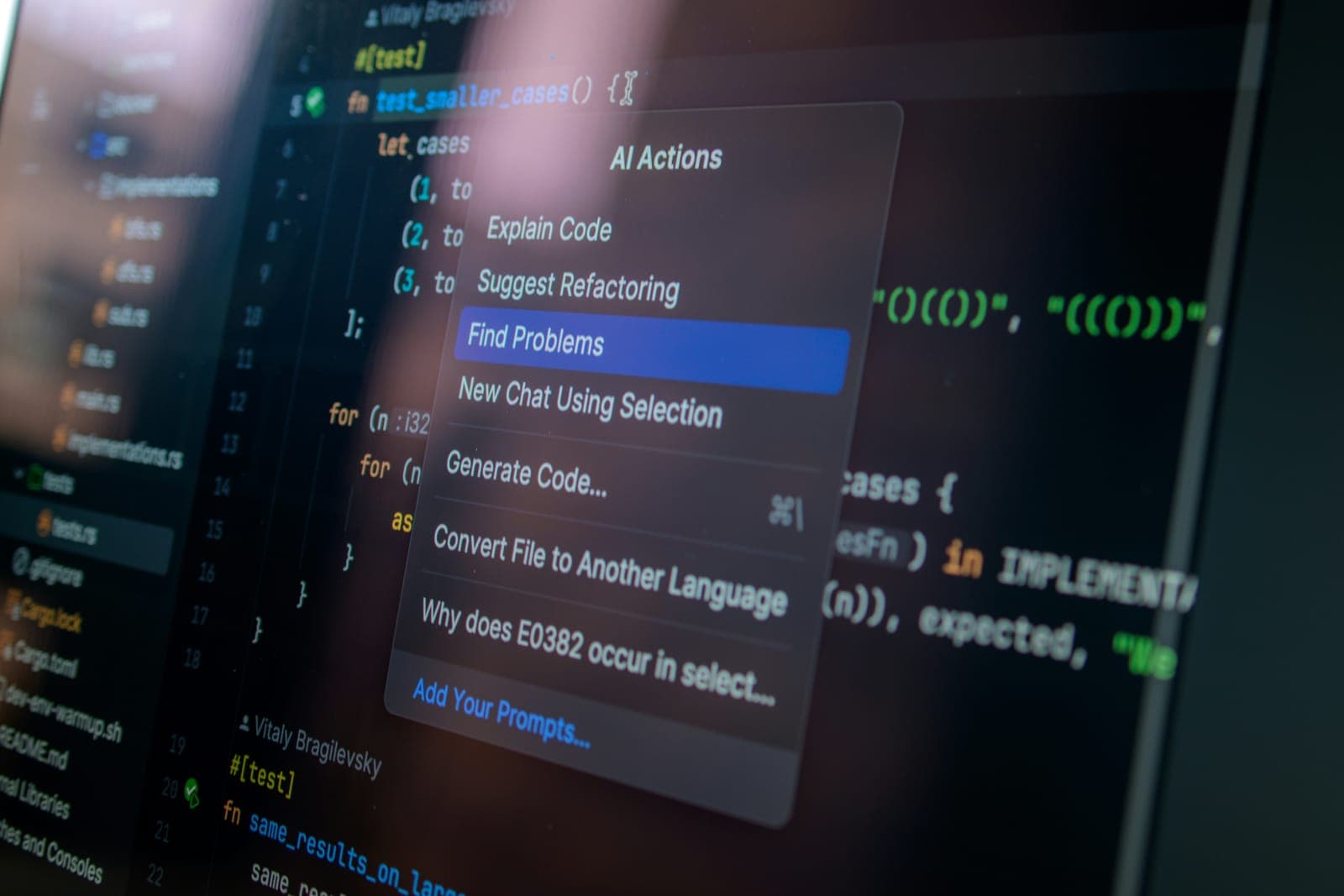
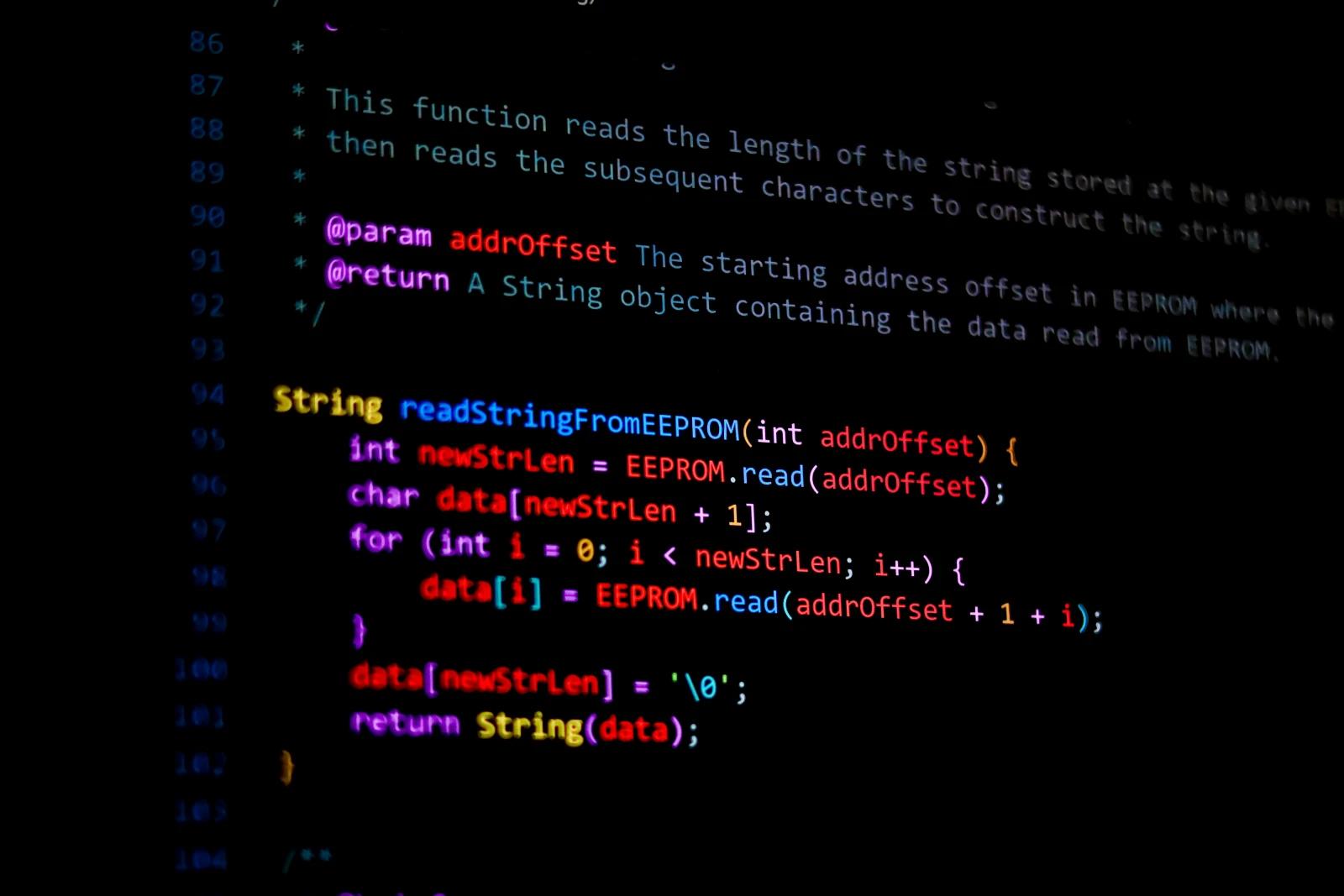
Large rewrites often get the attention, but small, deliberate refactors can make a codebase easier to understand, test, and maintain without turning every improvement into a major project.


Large rewrites often get the attention, but small, deliberate refactors can make a codebase easier to understand, test, and maintain without turning every improvement into a major project.

AI coding tools can produce a working-looking interface in minutes, but a page that renders correctly is not necessarily a page that works well. Here is why testing still matters when AI is part of your development workflow.

Private browsing can keep certain browsing information off your device, but it does not make you anonymous online. Understanding what incognito mode actually protects can help you make smarter privacy decisions.

Errors are unavoidable in software, but confusing error messages do not have to be. A well-written error message can help users understand what went wrong, fix the problem faster, and feel more confident using a product.

You do not need to be a cybersecurity expert to protect yourself online. A few simple habits, from using stronger passwords to enabling multi-factor authentication, can significantly improve the security of your everyday accounts.

AI tools are changing how software is built, but faster code generation does not eliminate the need for critical thinking. Here is why developers must learn to work with AI without giving up their responsibility for understanding, reviewing, and improving their code.

What happens when a simple blog project grows into a full-stack platform? For me, it meant learning about security, databases, AI-assisted development, debugging, deployment, and much more.

What if a blog could be more than a place to publish? This is the story behind Inkora, why I built it, and the bigger vision I'm working toward.