

5 Small Cybersecurity Habits That Can Save You a Big Headache
You do not need to be a cybersecurity expert to protect yourself online. A few simple habits, from using stronger passwords to enabling multi-factor authentication, can significantly improve the security of your everyday accounts.
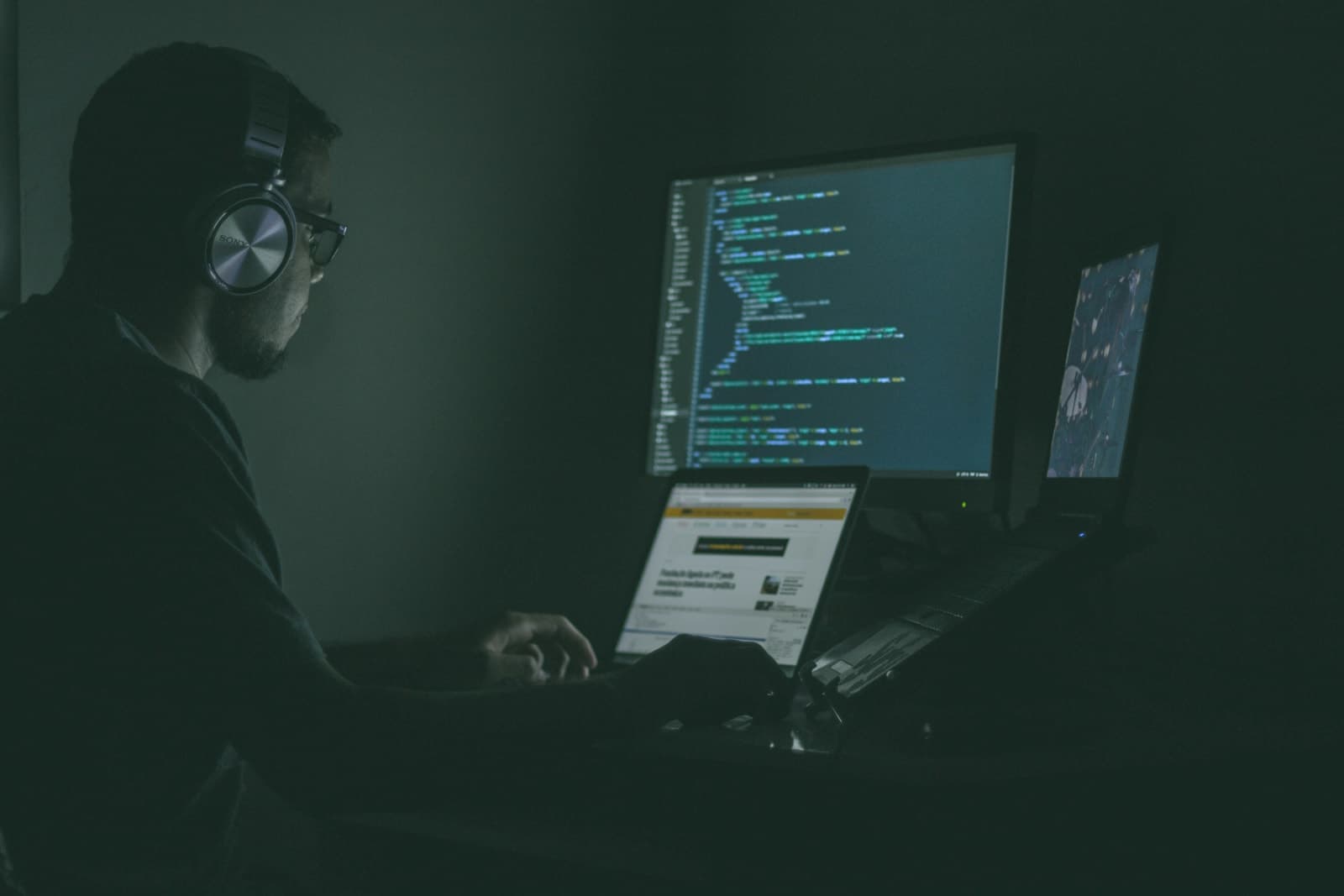
The internet has become part of almost everything we do.
We communicate through it, study through it, build businesses through it, store important files on it, and use it to access some of our most personal accounts.
Yet cybersecurity is often treated as something that only matters to companies, developers, or security professionals.
It really isn't.
A lot of online security comes down to a few everyday habits that anyone can adopt.
1. Stop Reusing the Same Password Everywhere
Using one password across multiple accounts might seem convenient, but it creates a problem: if one account is compromised, other accounts using the same password may also become vulnerable.
A better approach is to use long, unique passwords or passphrases for different accounts.
You do not have to memorize dozens of them yourself. A reputable password manager can help generate and store unique passwords for you.
2. Turn On Multi-Factor Authentication
A password is only one layer of protection.
Multi-factor authentication, commonly called MFA, adds another verification step when signing in. Depending on the service, this could involve an authentication app, security key, or another verification method.
This matters because even if someone obtains your password, an additional authentication factor can make unauthorized access much harder.
CISA recommends enabling MFA as one of the basic steps people can take to improve account security.
If an important account offers MFA, it is worth checking whether you have enabled it.
3. Don't Treat Every Urgent Message as Important
One of the simplest ways to avoid phishing is to slow down.
Messages designed to make you panic often try to create a sense of urgency:
"Your account will be deleted today."
"You have won a reward."
"Verify your information immediately."
The goal is often to get you to act before you have time to think.
Before clicking a link or providing information, check who sent the message and where the link actually leads. CISA specifically recommends being cautious with messages that demand immediate action or request sensitive information.
Taking an extra few seconds can make a difference.
4. Stop Ignoring Software Updates
That update notification you keep postponing is not always about adding a new feature.
Software updates can include security fixes for known vulnerabilities.
This applies to operating systems, browsers, mobile applications, development tools, and other software you regularly use.
CISA recommends applying software patches and updates in a timely manner because outdated software can leave systems exposed to known threats.
So the next time your device asks you to update, it may be worth doing it instead of clicking "remind me later" for the tenth time.
5. Be Careful About What You Share
Cybersecurity is not only about passwords and malware.
The information you share online can also become useful to someone trying to impersonate you, guess account-recovery information, or manipulate you.
Think carefully before publicly sharing information such as:
- Personal contact information
- Account or login details
- Private documents
- Location information
- Security questions and their answers
- Screenshots containing sensitive information
Not everything needs to be public simply because a platform gives you the option to share it.
Security Doesn't Have to Be Complicated
Good cybersecurity does not require everyone to become a security engineer.
Start with the basics:
- Use unique, strong passwords.
- Enable multi-factor authentication.
- Be skeptical of suspicious messages and links.
- Keep your software updated.
- Think before sharing sensitive information.
None of these habits guarantees that you will never experience a security problem. They simply reduce some common risks and make your accounts harder to compromise.
The most useful cybersecurity habit might be the simplest one:
Pause before you click.
Sometimes, a few extra seconds of thinking are more valuable than any complicated security setup.

24 followers
Comments0
No comments yet. Start the conversation!